Memorial Care
All Souls' Day Grave Traditions in London
Headstone cleaning from £75 — before & after photos with every visit.
No need to attend. Free written quote, usually within 24 hours.
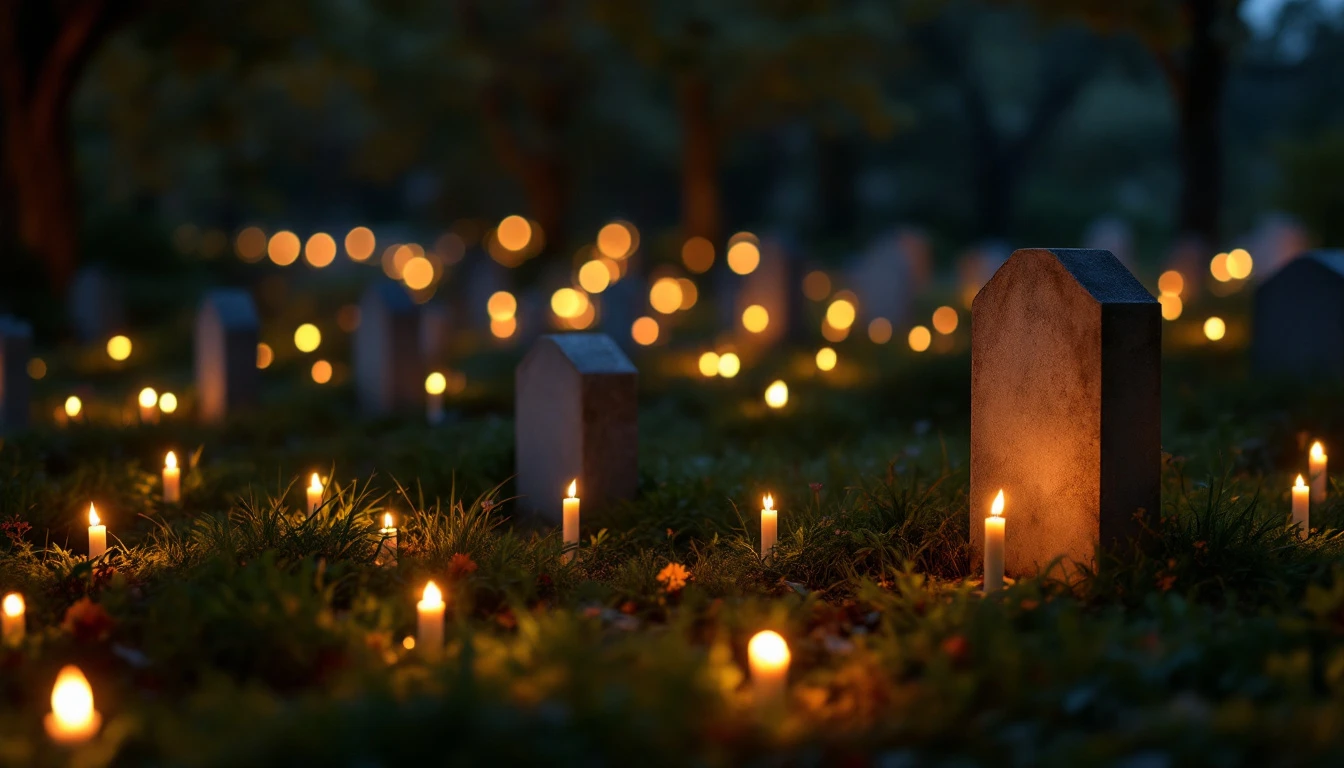
In short: On All Saints’ Day (1 November) and All Souls’ Day (2 November), Catholic families visit graves to remember the dead — cleaning and tidying the grave, lighting candles and laying flowers, often chrysanthemums, and praying at the graveside. In Polish tradition (Wszystkich Świętych and Zaduszki), London’s cemeteries glow with the light of countless candles, known as znicze.
The opening days of November mark the great season of remembrance for Catholic families across London. Drawn from many communities — Polish, Italian, Irish and beyond — families return to the graves of those they love to tidy, to light a candle, and to pray. The exact customs vary from family to family and parish to parish, but the heart of them is shared: to remember the dead with tenderness and hope.
All Saints’ and All Souls’ Day explained
The two days sit side by side at the start of the month. All Saints’ Day, on 1 November, honours all the saints of the Church — those known by name and the countless faithful who lived holy, hidden lives. All Souls’ Day, on 2 November, turns more directly to the faithful departed: family members, friends and ancestors who have died.
For many Catholics this is above all a time of prayer for the dead. Families commonly attend Mass during these days, and the deceased are remembered by name. The graveside visit flows naturally from this — a quiet, prayerful pause at the resting place of a parent, grandparent or child. While the strength of observance differs between communities and generations, early November remains, for a great many London families, the most important time of the year to come to the cemetery.
Candles, flowers and graveside prayer
Two simple things mark the grave at this season: light and flowers. Candles are lit and placed on or beside the headstone, their flames a gentle sign of remembrance and of prayer for the soul of the departed. As dusk falls, a cemetery dotted with flickering lights becomes a deeply moving sight — one that stays with anyone who has stood among them on a cold November evening.
Flowers are laid too, and chrysanthemums are the traditional bloom of the season across much of Catholic Europe. Hardy and long-lasting in the autumn cold, in white, deep red and gold, they have become closely associated with these days. Families may also bring wreaths, potted plants or smaller arrangements, alongside a few moments of silent prayer or a familiar prayer said together at the graveside.
Polish tradition: Wszystkich Świętych and Zaduszki
Among London’s Polish community, this is one of the most cherished times of the year. All Saints’ Day is Wszystkich Świętych, and All Souls’ Day is Zaduszki. In Poland the cemeteries are transformed: thousands of candles, known as znicze, are lit on the graves until whole hillsides of memorials shimmer in the dark.
Polish families in London carry this tradition with great care. Graves are cleaned and tidied in the days beforehand, znicze are lit, chrysanthemums are laid, and the family gathers to pray for their dead. For those whose loved ones are buried far away in Poland, tending a grave here in London — or asking that it be tended — becomes a way of keeping the custom alive across the distance (see our guide to caring for a grave when you live far away).
Italian and Irish customs
Italian and Irish Catholic families in London likewise hold early November as a time to remember. Customs vary from region to region and household to household, but the shared pattern is familiar: families visit the cemetery, tidy and dress the grave, lay flowers, light candles, and attend Mass for the souls of the departed. For many, it is also a time to gather as a family and to speak of those who have gone before — keeping their memory warm within the living family.
We keep this section deliberately general out of respect for that variety. What unites these communities is not a single fixed ritual but a shared instinct: that the dead are not forgotten, and that the grave is a place worth coming back to. Other traditions also set aside days for tending graves; here is what Qingming (Tomb-Sweeping Day) is.
Preparing the grave beforehand
Before any of these visits, families want the grave to look its best — clean, tidy and ready to be dressed with candles and flowers. In the run-up to early November, we can take care of that for you. We clean and prepare graves across London’s Catholic cemeteries, including St Patrick’s in Leytonstone and the Catholic section at Kensal Green, so the memorial is ready in good time for the family’s visit. For Leytonstone, see grave cleaning at St Patrick’s RC Cemetery. For Catholic graves at Kensal Green, see grave cleaning at St Mary’s Catholic Cemetery, Kensal Green.
Our grave cleaning is careful and respectful. We always leave candles, flowers and religious items in place — nothing of meaning is moved or discarded. Families can also arrange grave cleaning at Gunnersbury Cemetery before the day. If you would like a fuller guide to getting everything ready, see our piece on preparing a grave for All Souls’ Day.
Late October is our busiest period for Catholic families, so we recommend booking in early-to-mid October to be sure the grave is ready before 1 November. November also brings Remembrance Sunday; see our guide to Remembrance Sunday memorial care.
However your family marks these days, a clean and well-tended grave makes the visit all the more meaningful. We offer grave cleaning at Brookwood Cemetery as well. To have a grave cleaned and prepared before All Souls’ Day, contact Memorial Guardian London for a free, no-obligation quote.
Frequently asked questions
- What is the difference between All Saints' Day and All Souls' Day?
- All Saints' Day (1 November) honours all the saints of the Church, while All Souls' Day (2 November) is a day of prayer and remembrance for the faithful departed — one's own family members, friends and ancestors who have died.
- What flowers are traditional for All Souls' Day?
- Chrysanthemums are the traditional bloom of the season across much of Catholic Europe, valued for being hardy in the autumn cold. Many families combine them with candles laid at the graveside; in Polish tradition these candles are called znicze.
Headstone cleaning from £75 — before & after photos with every visit.
No need to attend. Free written quote, usually within 24 hours.
About the author
Practical guides written collectively by Memorial Guardian London's memorial care specialists, drawing on their day-to-day work cleaning and conserving graves and headstones across all 32 London boroughs.